
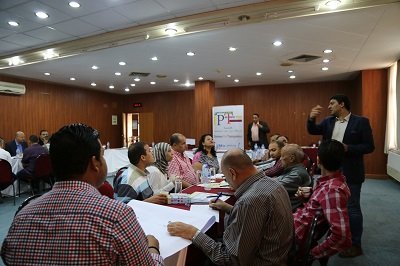
استهدفت الورشة تمكين قيادات العمل الأهلي من تحليل البيئة الخارجية والداخلية المتعلقة بمكافحة الفساد وتعزيز الشفافية والمساءلة ، والخروج بإطار عمل استراتيجي لدور منظمات المجتمع المدني فيما يتعلق بهذه القضايا ، فضلا عن رصد تقييم قيادات العمل الأهلي للإجراءات والسياقات الحالية ذات الصلة بمناهضة الفساد .
وقد كشفت الورشة عن ضرورة تبني تعريف إجرائي محدد لظاهرة الفساد لتمييزها عن غيرها من الظواهر السلبية ، وتسهيل مهمة العمل على محاصرتها ، كما كشفت عن أن القيادات الأهلية ترى ضرورة تبني إصلاحات تشريعية جذرية وسياسات عامة مختلفة خلال المرحلة المقبلة ، والعمل على نشر الوعي المجتمعي بدور المواطنين في مناهضة الفساد ، كما أثني المشاركون على الجهود التي تبذلها هيئة الرقابة الادارية في ضبط وملاحقة مرتكبي جرائم الفساد ، وطالبوا بقيام مؤسسات الدولة الأخرى بدورها لمساندة ودعم جهود الهيئة .
فيما يتعلق بتحليل البيئتين الداخلية والخارجية ، فقد كشفت الورشة عن أن هناك نقاط قوة بارزة يمكن لمنظمات المجتمع المدني توظيفها للمساهمة في محاصرة الفساد وتعزيز الشفافية والمساءلة ، أهمها الانتشار الجغرافي الواسع ، والزيادة العددية للمنظمات ، ووجود قواعد هائلة من المتطوعين على المستويات المحلية ، في حين أشار المشاركون في المقابل إلى نقاط ضعف أهمها ضعف القدرات المؤسسية المتعلقة بمكافحة الفساد وتعزيز الشفافية والمساءلة .
كما كشفت الورشة عن أن هناك فرص يمكن البناء عليها ، أهمها الإطار الدستورى الحاكم ، والخطاب السياسي المؤكد على عدم التسامح مع الفساد ، وتطور تكنولوجيا المعلومات والاتصالات ، في حين تمثلت أبرز التهديدات في نقص ملائمة القوانين الحاكمة للعمل الأهلي وغياب بعض التشريعات المهمة عن البنية التشريعية المصرية كقانون تنظيم تداول المعلومات .
الجدير بالذكر أن مؤسسة شركاء من أجل الشفافية تنفذ مبادرة ” مواطنون من أجل الشفافية ” التي تسعي من خلالها لتعزيز دور المواطنين في مناهضة الفساد ، وتحويلهم إلى عناصر إيجابية فاعلة وقادرة على الحد من تلك الظاهرة السلبية وتقديم حلول وأفكار بديلة لمحاصرتها .
The workshop aimed at empowering the civil action leaders to analyze the external and internal environment related to the fight against corruption and to promote transparency and accountability, and a strategic framework for the role of civil society organizations in relation to these issues, as well as monitoring of the evaluation of the Community action leadership and current contexts related to anti-corruption.
The workshop revealed the need to adopt a specific procedural definition of the phenomenon of corruption in order to distinguish it from other negative phenomena and to facilitate the task of working to surround it, as revealed that community leaders believed that radical legislative reforms and different public policies should be adopted during the next phase and that awareness-raising The role of citizens in the fight against corruption, and participants commended the efforts of the administrative oversight body in controlling and prosecute perpetrators of corruption, and called for other State institutions to play their part in supporting the Commission’s efforts.
With regard to the analysis of the internal and external environments, the workshop revealed that there are significant strengths that civil society organizations can employ to contribute in trapping corruption and promoting transparency and accountability, the most important of which is the wide geographical spread, the numerical increase of organizations and the existence of enormous rules of Volunteers at local levels, while in contrast, participants pointed to weaknesses, the most important of which were weak institutional capacities to fight corruption and promote transparency and accountability.
The workshop also revealed that there are opportunities to build on, the most important of which is the governing constitutional framework, the uncertain political discourse on zero tolerance of corruption and the development of information and communication technology, while the most significant threats were the inadequacy of the laws governing civil action and the absence of some important legislation Of the Egyptian legislative structure, such as the Regulation of Information Trading Act.
It should be noted that the Partners for Transparency Foundation implements the “Citizens for Transparency” initiative through which they seek to enhance the role of citizens in against corruption, transforming them into positive actors and capable of reducing that negative phenomenon and offering alternative solutions and ideas to surround it.
